
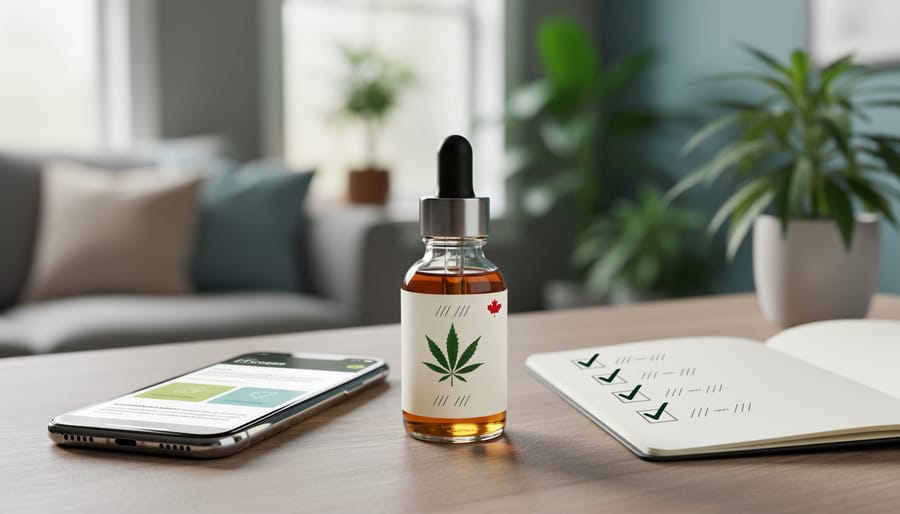
Marketing a hemp CBD business in Canada successfully hinges on mastering compliance-first strategies that work within Health Canada’s strict advertising rules while still building a loyal customer base. Unlike conventional retail, you can’t run paid ads on major platforms or make health claims, so your strategy must rely on education-driven content, community building, and strategic partnerships. The good news? Canadian entrepreneurs like those behind Exhale Wellness online store have proven that creative, compliant approaches deliver strong results when executed properly.
The challenge isn’t just understanding what you can’t do. It’s knowing exactly what works within the boundaries. Small CBD businesses across Canada are navigating this landscape right now, finding that success comes from blending organic social media engagement, SEO-optimized educational content, email marketing, and grassroots community outreach. These methods take longer than traditional advertising but build deeper customer relationships and sustainable growth.
This guide walks you through a complete, step-by-step marketing framework designed specifically for Canadian hemp CBD businesses in 2026. You’ll learn which promotional tactics comply with federal and provincial regulations, how to build a content strategy that attracts customers without triggering advertising violations, and how to measure your results effectively. We’ll cover the essential tools you need, the compliance checkpoints that keep you safe, and real examples from Canadian CBD entrepreneurs who’ve built profitable businesses without ever running a single paid ad. Whether you’re launching your first product line or struggling to grow an existing CBD business, these proven strategies will help you reach customers legally and effectively.
Understanding What You Can and Cannot Say: Canadian Hemp CBD Marketing Rules
The regulatory framework for marketing hemp-derived CBD products in Canada sits at a complex intersection between federal cannabis laws, health product regulations, and provincial retail restrictions. Unlike standard consumer goods, hemp CBD falls under the Cannabis Act when sold for ingestion or inhalation, which means Health Canada treats it with the same advertising restrictions applied to recreational cannabis, even though hemp-derived products contain less than 0.3% THC and are legally distinct from marijuana-derived products.
At the federal level, the Cannabis Act prohibits any promotion that depicts a person, character, or animal, uses testimonials or endorsements, associates cannabis with glamour or excitement, or could be appealing to young people. This eliminates most conventional advertising tactics right away. You cannot make therapeutic health claims about CBD products treating specific conditions, diseases, or symptoms, regardless of supporting research. Phrases like “reduces anxiety,” “relieves pain,” or “treats insomnia” will trigger immediate enforcement action, as will any imagery suggesting lifestyle benefits or social approval.
Provincial regulations add another layer of complexity. British Columbia, Ontario, and Quebec each maintain distinct rules about where CBD products can be sold, how they must be displayed, and what retail environments are permitted. Some provinces require all cannabis-derived products to be sold exclusively through government-controlled retail channels or licensed private stores, while others allow broader distribution for hemp-derived products that meet specific classification criteria. You’ll need to verify your product classification and distribution model against each province where you plan to operate.
What you can do is provide factual information about hemp cultivation, CBD extraction processes, product ingredients, and general wellness education that doesn’t make therapeutic claims. You can discuss the endocannabinoid system in biological terms, explain what terpenes are, and share information about proper dosing practices. This educational approach becomes your primary marketing tool. The Cannabis and youth rules specifically prohibit any content that could appeal to minors, including cartoon imagery, bright colours, or youth-oriented language.
Penalties for non-compliance escalate quickly. First violations typically result in warning letters demanding immediate corrective action. Repeat offences can lead to license suspension, mandatory product recalls, and financial penalties. Payment processors and e-commerce platforms also monitor cannabis-related businesses closely; violating advertising policies can result in frozen accounts and terminated merchant services, which can shut down your business faster than regulatory action.
What You’ll Need Before You Start Marketing

Before you spend a dollar on marketing your hemp CBD business, you need the right foundation, without these essentials, your campaigns will either violate regulations or fail to convert interested prospects into customers.
Your Compliance and Legal Foundation
Start with your licensing documentation in order. You’ll need your Health Canada Natural Product Number (NPN) or exemption documentation if you’re selling hemp-derived CBD products. Keep digital copies accessible because partners, platforms, and payment processors will request proof of legitimacy. Alongside this, retain a relationship with legal counsel who understands cannabis regulations, not just any business lawyer, but someone versed in Health Canada’s evolving rules for hemp products.
Marketing Infrastructure Checklist
Here’s what you must have ready before launching campaigns:
- Age-gating system for your website (minimum age 18 or 19, depending on province)
- Compliant product labels with required warnings and disclaimers
- Website disclaimer templates approved by legal counsel
- Pre-approved marketing copy templates that avoid therapeutic claims
- Separate bank account and compliant payment processor experienced with hemp businesses
- Customer database system with age verification records
- Brand style guide that includes website color tips and approved messaging guardrails
Budget and Professional Support
Allocate at least $2,000, $5,000 for initial compliance review and marketing setup. This covers legal review of your marketing materials, copywriting by someone familiar with Health Canada restrictions, and website modifications for age-gating and disclaimers. Many small business owners underestimate this upfront investment, then face costly platform bans or regulatory warnings that could have been prevented. Consider working with a compliant copywriter who can translate your brand story into messaging that educates without crossing into prohibited health claims, this expertise saves money and headaches down the road.
Critical Warnings: What Will Shut Down Your Marketing Efforts
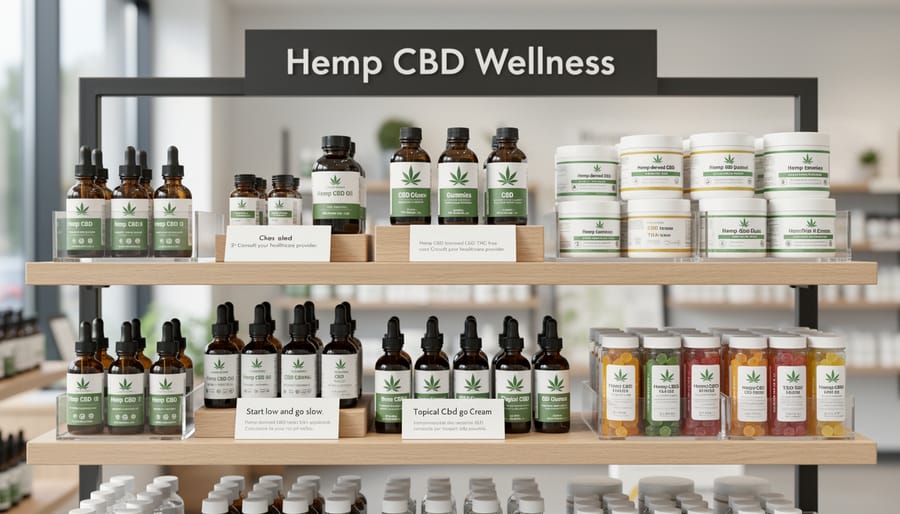
Before you launch any marketing campaign, understand that certain practices will trigger immediate regulatory action, platform bans, or payment processor termination. These aren’t grey areas, they’re clear violations that Canadian hemp CBD businesses face regularly, and the consequences range from fines to complete business shutdowns.
Making therapeutic or health claims tops the list. Statements like “relieves pain,” “treats anxiety,” or “helps with inflammation” violate Health Canada regulations. Even softer language such as “supports wellness” or “may help with” crosses the line when tied to specific health conditions. Your marketing must focus on general product information, extraction methods, sourcing, third-party testing, without suggesting therapeutic effects. One complaint can trigger a compliance review that scrutinizes your entire operation.
Targeting or appealing to minors will shut you down fast. This includes using cartoon imagery, youth-oriented language, flavour descriptors that suggest candy or desserts, or placing ads on platforms where the majority audience is under 19 (or 18 in Alberta and Quebec). Even accidental exposure matters, your website needs robust age-gating, and all social media accounts should include age restrictions in bios.
Platform violations happen when businesses try to sneak CBD ads through mainstream channels. Facebook, Google, and Instagram have explicit policies against CBD advertising. Creating ads that mask your product category or using personal accounts to promote CBD will result in permanent account bans and blacklisting. Payment processors like PayPal and Stripe also maintain restricted business lists, and violations can freeze your funds without warning.
Testimonials or reviews mentioning health benefits create liability even if customers post them organically. You’re responsible for monitoring and removing user-generated content that makes therapeutic claims on your platforms. Similarly, cross-border marketingeven unintentionally shipping to the U.S. or advertising on sites with American audiences, can trigger foreign regulatory issues and complicate your Canadian compliance status.
Step-by-Step: Building Your Compliant Hemp CBD Marketing Strategy
Step 1: Define Your Target Audience Within Legal Boundaries
Start by mapping out who genuinely needs your hemp CBD products without crossing into therapeutic territory. Your ideal customer in Canada is typically an adult seeking general wellness support, better sleep routines, or everyday comfort management. Common segments include wellness-conscious professionals aged 25-45, active seniors looking for recovery support after exercise, and adults managing daily stress.
Document your customer profiles with demographics that naturally exclude minors: focus on life stages like established careers, homeownership, or retirement planning. Avoid any language suggesting you target people with diagnosed medical conditions, as this implies therapeutic use beyond your legal scope.
Age-gate every digital touchpoint where you collect customer information. Set your minimum age at 19 (18 in Alberta and Quebec) and build verification into email signups, account creation, and contest entries. Remove imagery or messaging that could appeal to youth, including cartoon characters, candy flavours prominently displayed, or references to energy and performance that might attract student athletes.
Your targeting language should emphasize lifestyle enhancement rather than symptom relief. Instead of “targets people with insomnia,” frame it as “appeals to adults prioritizing better sleep habits.” This distinction keeps your marketing compliant while still reaching the people most likely to benefit from your products.
Step 2: Build an Educational Content Hub
Educational content serves as the foundation of compliant hemp CBD marketing because it builds trust without triggering regulatory flags. Your content hub should focus on information that helps customers understand hemp, the extraction process, and how CBD products fit into wellness routines, all without crossing into therapeutic territory.
Start with three core content pillars. First, cover hemp industry developments: new farming techniques in Canada, sustainability practices, or changes to provincial regulations. Second, explain CBD science in accessible terms: how cannabinoids interact with the endocannabinoid system (general biology, not health outcomes), the difference between full-spectrum and isolate products, or what third-party testing reveals. Third, create lifestyle content that positions CBD as part of broader wellness habits: morning routines, stress management techniques, or sleep hygiene practices where CBD happens to play a role.
Publish consistently, aiming for two substantial articles monthly rather than daily thin content. Each piece should answer a genuine customer question while steering clear of claims like “reduces anxiety” or “relieves pain.” Instead, frame content around “why people choose CBD for their evening routine” or “what to look for in lab reports.” This approach builds authority while keeping you firmly within Health Canada’s guidelines.
Step 3: Leverage Email Marketing and Customer Retention
Email marketing remains one of the most effective channels for hemp CBD businesses because you control the platform and can communicate directly with verified adults. Start by implementing age verification at every signup point, your website popup, checkout process, and in-store tablet. Use a checkbox confirmation that subscribers are 18+ (or 19+ in provinces that require it) and store this verification data for compliance records.
Your welcome series should educate rather than sell. Send new subscribers a three-email sequence: first, explain what hemp-derived CBD is and isn’t; second, share dosing guidance and product selection tips; third, introduce your brand story and values. This builds trust before you ask for a purchase.
Create a monthly newsletter that maintains compliance by focusing on lifestyle topics, sleep hygiene practices, stress management techniques, or wellness routines, rather than direct health claims about your products. Mention your CBD offerings as complementary tools within these broader topics.
Launch a loyalty program that rewards repeat purchases with points, early access to new products, or exclusive educational content like webinars with herbalists or naturopaths. This incentivizes retention while keeping you top-of-mind.
Track open rates, click-through rates, and conversion by email type to refine your approach continually.
Step 4: Optimize for Local and Organic Search
Local and organic search offers hemp CBD businesses a compliant, cost-effective way to reach customers actively looking for your products. Unlike paid ads, SEO doesn’t face the same platform restrictions, making it one of your most reliable channels.
Start with keyword research that focuses on product types and use cases rather than health claims. Target phrases like “hemp CBD oil Toronto,” “CBD gummies Edmonton,” or “CBD topicals near me” instead of “CBD for pain relief” or “CBD cures anxiety.” Tools like Google Keyword Planner and Ubersuggest help identify search volume for compliant terms.
Claim and optimize your Google Business Profile with accurate hours, photos of your storefront or products, and a description that emphasizes wellness and relaxation without therapeutic promises. Encourage satisfied customers to leave reviews mentioning product quality and customer service rather than health outcomes.
Build local citations by listing your business in Canadian directories like Yelp Canada, Yellow Pages, and cannabis-specific directories. Ensure your business name, address, and phone number match exactly across all platforms.
Create location-specific landing pages for each city or province you serve, addressing regional regulations and local search terms. A Calgary page might mention Alberta’s specific hemp regulations, while a Montreal page uses French-language keywords and references Quebec’s provincial rules.
Step 5: Partner with Compliant Influencers and Affiliates
Influencer partnerships offer credibility when platforms restrict traditional advertising, but choosing partners who understand Health Canada rules is crucial. Look for Canadian wellness creators who already discuss sleep, stress management, or natural health, they’ll understand the boundaries around therapeutic claims. Review their past sponsored content to confirm they don’t make prohibited health promises or target younger audiences.
Your affiliate agreement must include compliance language: specify that partners cannot claim your CBD treats, cures, or prevents any condition, must include age restrictions in their posts, and agree to submit content for your approval before publishing. Set up a simple review process where you check drafts against Health Canada guidelines before they go live.
Monitor partner content continuously even after approval, screenshots disappear, but regulatory violations don’t. Provide partners with pre-approved language, sample captions that work within the rules, and immediate feedback when content drifts into prohibited territory. One compliant micro-influencer with 5,000 engaged followers beats ten larger accounts posting content that could trigger enforcement action.
Step 6: Explore Alternative Advertising Channels
Mainstream advertising platforms like Google Ads and Facebook remain largely closed to hemp CBD businesses, but several compliant alternatives can reach your target audience effectively. Cannabis-specific ad networks such as Leafwire and CannaPlacement allow targeted digital advertising within industry publications and websites that cater to adult audiences interested in cannabis products. Podcast sponsorships work particularly well, seek out Canadian wellness, lifestyle, or business podcasts whose audiences align with your customer profile, and ensure hosts understand your compliance requirements before recording ad reads.
Print advertising in adult-focused publications, particularly health and wellness magazines distributed through dispensaries or specialty retailers, offers another channel. Event sponsorships at cannabis industry trade shows, wellness expos, and adult-oriented community events provide face-to-face brand exposure while naturally restricting audience to adults. Direct mail campaigns targeting postal codes with favourable demographics can deliver compliant promotional materials directly to households, bypassing digital platform restrictions entirely while maintaining full control over your messaging and compliance.
Real-World Success: How Two Canadian Hemp CBD Brands Built Their Customer Base
Case Study 1: Urban Wellness Botanicals (Vancouver, B2C Retail)
Sarah Chen launched her hemp CBD shop in 2023 with zero advertising budget after Google and Facebook rejected her initial campaigns. Instead of fighting platform restrictions, she invested in educational content.
She published weekly blog posts answering customer questions about hemp extraction methods, terpene profiles, and how to read lab reports. Each post linked to her age-gated product pages without making health claims. Within six months, her organic search traffic grew 340%.
Sarah also partnered with local yoga studios to sponsor wellness workshops where she provided general hemp education without product pitches. Attendees received business cards directing them to her educational content hub. This community approach built trust before the sale, resulting in a 68% conversion rate from workshop attendees and an average customer lifetime value of $470.
Case Study 2: Northern Extracts (Alberta, B2B Supplier)
Mike Rousseau supplies hemp-derived CBD to manufacturers across Western Canada. Mainstream advertising wasn’t an option, so he focused on industry events and trade publications.
He exhibited at Canadian cannabis industry trade shows, where attendees were verified adults and regulatory discussions were standard. His booth featured extraction equipment demonstrations and detailed compliance documentation rather than health benefit claims.
Mike also wrote guest articles for trade magazines covering topics like batch testing protocols and provincial regulatory differences. These pieces positioned him as a compliance-focused supplier, attracting wholesale buyers who needed reliable partners. Within eighteen months, he secured contracts with twelve manufacturers and generated 90% of his leads through industry networking and B2B partnerships.

How to Verify Your Marketing Is Working (and Staying Compliant)
Track these metrics monthly to measure both marketing performance and regulatory compliance:
- Website traffic sources (organic, referral, direct) to identify which compliant channels drive the most visitors
- Email open and click rates, segmented by campaign type and product category
- Customer acquisition cost per channel, excluding any non-compliant sources
- Average customer lifetime value and repeat purchase rate
- Conversion rate from educational content to product pages
- Bounce rate on age-gated entry pages
Beyond standard analytics, run quarterly compliance audits of every marketing asset. Review all website copy, email campaigns, social media posts, and partner content against current Health Canada guidelines. Check that age gates function properly, disclaimers appear on all required pages, and no therapeutic claims have crept into your messaging.
Set up marketing automation tools with compliance checkpoints built into approval workflows. Before any campaign launches, at least two people should review it against your compliant copy templates.
Schedule legal review twice yearly, or immediately after any regulatory update. Your lawyer should assess high-visibility materials like homepage copy, product descriptions, and influencer partnership agreements. This proactive approach costs less than fixing violations after the fact.
Document all compliance checks in a shared spreadsheet with dates, reviewers, and any changes made. This audit trail proves due diligence if questions arise. The effort you put into monitoring compliance protects the brand strategy tips you’ve worked hard to implement within legal boundaries.
Common Questions About Marketing Hemp CBD in Canada
Can I run Facebook or Instagram ads for my hemp CBD products?
No. Meta’s platforms prohibit ads for ingestible hemp products, including CBD oils and edibles, regardless of THC content. Even educational content about CBD often gets flagged, and attempting to work around these restrictions risks permanent account suspension.
Do marketing rules differ between provinces?
Yes. While Health Canada sets federal advertising standards, provinces add their own layers. Ontario and Alberta have more retail-friendly policies, while Quebec imposes stricter promotional restrictions. You’ll need provincial-specific landing pages if you operate nationally.
What should I budget for compliant hemp CBD marketing?
Expect to allocate $2,000-$5,000 monthly for a meaningful presence: $500-$1,000 for content creation, $800-$1,500 for email marketing tools and list growth, $500-$1,500 for SEO and local optimization, and $200-$1,000 for alternative advertising channels. First-year legal review of materials adds $1,500-$3,000 upfront.
How do I work with marketing agencies that don’t understand cannabis regulations?
Provide them with Health Canada’s promotional guidelines document upfront and require compliance sign-off from your legal counsel before launching campaigns. Many general agencies will decline CBD clients once they understand the restrictions, so seeking cannabis-specialized marketing firms saves time and reduces compliance risk.
Tracking your marketing effectiveness requires tools that respect cannabis industry nuances. Set up Google Analytics with custom conversion goals that track educational content engagement rather than direct product claims, since your messaging focuses on information rather than therapeutic promises. Most payment processors serving the hemp CBD industry also provide transaction analytics that help you connect marketing activities to actual sales without relying on pixel-based tracking that mainstream platforms often block for cannabis-related businesses.
Your marketing agency agreement should explicitly state who bears liability if promotional materials trigger regulatory action. Standard marketing contracts rarely address this, but in the hemp CBD space, a single non-compliant campaign can result in Health Canada warnings, platform bans, and payment processor termination. Insist on quarterly compliance audits as part of any ongoing agency relationship, and maintain final approval rights over all public-facing content.
Next Steps: Your 30-Day Hemp CBD Marketing Action Plan
Getting started doesn’t have to feel overwhelming. Break your first month into manageable weekly priorities that build a compliant foundation while generating early momentum.
Week 1: Audit and Assess
Review every piece of existing marketing material, website copy, social media posts, product descriptions, email templates. Flag anything that makes health claims, uses prohibited language, or lacks proper disclaimers. Document what needs immediate changes versus what’s already compliant. This week is about knowing where you stand before you invest time or money elsewhere.
Week 2: Set Up Your Core Tools
Install age-gating on your website, create compliant email signup forms with proper consent language, and set up Google Analytics to track traffic sources. If you’re selling online, ensure your payment processor approves hemp CBD transactions and your checkout flow includes required warnings. These systems must work properly before you start driving traffic.
Week 3: Create Your First Content
Write two blog posts that educate without making claims, topics like “Understanding CBD Absorption Methods” or “How Hemp Is Grown in Canada” work well. Draft three compliant email templates: welcome sequence for new subscribers, educational newsletter, and customer appreciation message. You’ll use these repeatedly, so get them right.
Week 4: Launch and Monitor
Publish your content, send your first newsletter to any existing contacts, and set calendar reminders for monthly compliance reviews. Subscribe to Health Canada’s regulatory updates mailing list and bookmark the Cannabis Act regulations page. Join Canadian cannabis industry groups on LinkedIn where regulatory changes get discussed quickly.
Keep a compliance checklist you review before publishing anything new. This habit protects your business as you scale your marketing efforts beyond month one.
Marketing a hemp CBD business in Canada demands a different playbook than most industries. You can’t rely on mainstream advertising, and every word in your marketing copy carries regulatory weight. But this isn’t a disadvantage, it’s a filter that separates businesses willing to invest in education and trust-building from those chasing quick wins.
The restrictions force you to become a genuine resource for your customers rather than just another brand shouting claims. When you educate instead of promote, answer questions instead of making promises, and build community instead of broadcasting ads, you create loyalty that paid advertising rarely achieves.
Stay vigilant about compliance. Health Canada’s regulations will continue evolving as the hemp-derived cannabis industry matures, and what’s acceptable today might require adjustment tomorrow. Subscribe to industry newsletters, maintain relationships with legal counsel familiar with cannabis regulations, and audit your marketing materials quarterly.
The Canadian hemp CBD market is still young. Business owners who master compliant marketing now, who learn to communicate value within tight boundaries, will have built reputations and customer bases that position them for long-term success as the industry grows. Your constraint is your competitive advantage.
You may also like
-
What Smart Buyers Look For in a Saskatchewan Business for Sale
-
Using Reddit to Launch a New Product: Eligibility, How to Navigate the Platform, and Where to Get Help
-
10 Digital Marketing Ideas for Small Businesses That Drive Real Results
-
What Is a Senior-Level Applicant on LinkedIn (and How Does It Work)?
-
12 Digital Innovation Examples Transforming Small Business Operations in 2026