

Growing a small business in 2026 means mastering digital marketing, but you don’t need a massive budget to make an impact. The most effective strategies for Canadian small businesses combine social media engagement, email marketing, local SEO optimization, and content creation using affordable digital marketing tools that deliver measurable results.
Many small business owners feel overwhelmed by the sheer number of marketing channels available. The good news? You can start seeing real growth by focusing on just a few high-impact tactics that fit your business model and resources. A Toronto bakery doubled its weekend foot traffic by posting behind-the-scenes Instagram Reels three times weekly. A Vancouver consulting firm generated 40 qualified leads in two months through a simple LinkedIn content strategy. These aren’t outliers. They’re examples of what happens when you apply the right digital marketing ideas consistently.
This article breaks down 10 practical strategies you can implement starting today. Each idea includes clear action steps, real success stories from Canadian entrepreneurs, and guidance on which businesses benefit most. Whether you’re running a retail shop, service business, or online store, you’ll find proven tactics that work without requiring technical expertise or thousands of dollars in ad spend.
How We Chose These Digital Marketing Ideas
We didn’t just throw together a random list of tactics. Each idea in this guide passed a rigorous filter designed specifically for Canadian small businesses operating with tight budgets and small teams.
Here’s what every strategy needed to deliver:
- Affordable implementation with minimal upfront investment (most under $200/month)
- Simple enough for a solo owner or small team to execute without specialized technical skills
- Proven track record with measurable results from real Canadian small businesses
- Compatible with free or low-cost digital marketing tools already available
- Scalable as your business grows without requiring complete overhauls
These criteria mean you won’t find strategies requiring massive ad budgets, dedicated marketing teams, or enterprise software here. Instead, each idea offers a clear starting point with actionable steps you can begin implementing this week. Some deliver quick wins within days, while others build momentum over months, but all have helped real businesses like yours generate tangible results without breaking the bank.
1. Launch a Google Business Profile Optimization Campaign
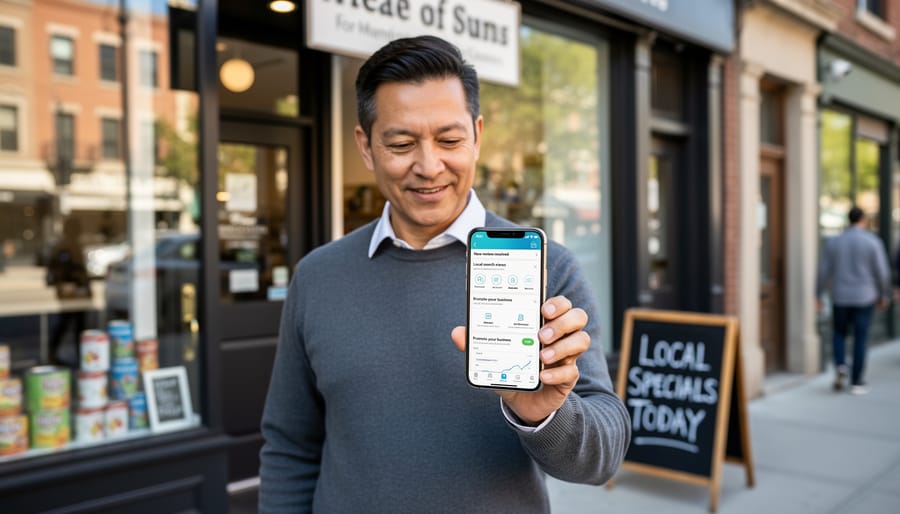
Your Google Business Profile is one of the most powerful (and completely free) marketing tools available. When someone searches for your type of business in your area, a well-optimized profile can put you in front of them at exactly the right moment.
Start by claiming your profile at if you haven’t already. Complete every section: accurate hours, phone number, website, business description with relevant keywords, and your service area. Add high-quality photos of your storefront, products, team, and work in action. Profiles with photos receive 42% more requests for directions and 35% more clicks to their websites.
Post weekly updates about promotions, new products, or helpful tips. These appear directly in search results and show you’re active. Actively request reviews from satisfied customers and respond to all reviews, positive or negative, within 48 hours. Monitor and answer questions in the Q&A section to address common concerns upfront.
A Halifax coffee shop implemented this strategy consistently for three months. By adding fresh photos weekly, posting daily specials, and responding to every review, they saw a 67% increase in “get directions” clicks and a noticeable jump in new customer visits. The owner spent just 20 minutes weekly maintaining the profile, proving that small, consistent efforts deliver real results.
2. Create Short-Form Video Content for Social Media

Short-form video has become the fastest way for small businesses to reach new customers without spending a dollar on ads. Platforms like Instagram Reels, TikTok, and YouTube Shorts prioritize engaging video content in their algorithms, meaning even accounts with small followings can land in front of thousands of potential customers.
You don’t need expensive equipment or editing skills. Your smartphone and natural lighting are enough to start. Focus on showing your product in action, sharing quick tips related to your industry, or taking viewers behind the scenes of your business. The key is authenticity over polish. Videos that feel real consistently outperform overly produced content.
Keep videos between 15 and 60 seconds, hook viewers in the first three seconds, and add captions since most people watch with sound off. Use trending audio when it fits your brand, but don’t force it. Post consistently, aiming for three to five times per week on your primary platform.
A small bakery in Halifax started posting 30-second Reels showing their decorating process each morning. Within two months, their follower count jumped from 400 to 8,200, and weekend sales increased by 35 percent as new customers mentioned seeing their videos. They spent zero on promotion, just 15 minutes each morning filming and posting.
The beauty of short-form video is the low barrier to entry and high potential reach, making it perfect for small businesses ready to show up where their customers already spend time scrolling.
3. Build an Email Marketing Sequence for Customer Retention
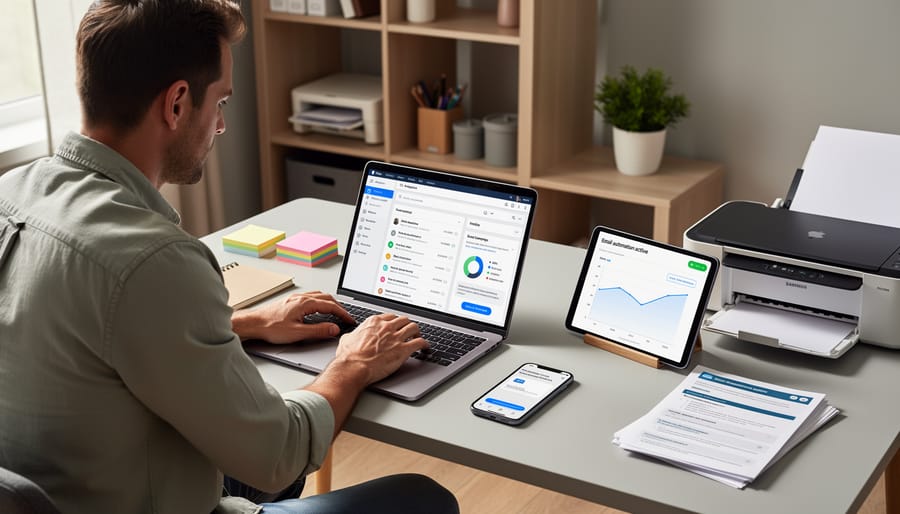
Email marketing delivers an average return of $42 for every dollar spent, making it one of the most cost-effective channels for small businesses. The key is automation, setting up sequences that nurture customers without constant manual effort.
Start with a welcome sequence for new subscribers. Send the first email immediately after signup with a special discount or valuable content. Follow up three days later with your brand story and what makes you different. A week in, share customer testimonials or your most popular products. Platforms like Mailchimp, Constant Contact, and Brevo offer free tiers that handle these automated workflows.
Cart abandonment emails recover 10-15% of lost sales. Set up a sequence that sends within one hour of abandonment (a gentle reminder), 24 hours later (highlighting the product benefits), and 72 hours after (offering a small incentive if appropriate). Keep subject lines direct: “Forgot something?” or “Still interested in [product name]?”
Re-engagement campaigns target subscribers who haven’t opened emails in 60-90 days. Send a “We miss you” message with your best-performing content or an exclusive offer. If they don’t respond after two attempts, remove them from your main list to maintain healthy deliverability rates.
Track open rates (aim for 20-25%), click-through rates (2-5%), and conversion rates for each sequence. Most email platforms provide these metrics in simple dashboards, showing you which messages drive actual sales.
4. Start a Collaborative Content Partnership

Partnering with another local business can instantly double your marketing reach without doubling your budget. The key is finding businesses that serve your same customers but don’t compete with you directly, think a yoga studio teaming up with a juice bar, or a bookstore collaborating with a coffee shop.
Start by identifying 3-5 businesses whose customers would naturally benefit from your products or services. Reach out with a specific collaboration idea rather than a vague “let’s work together” message. Joint Instagram giveaways work well for beginners: each business contributes a prize, requires participants to follow both accounts, and both share the contest. This strategy typically increases followers by 20-30% during the campaign.
A Toronto bakery and a local florist ran a Mother’s Day giveaway together in 2024, each contributing their signature product. They gained 450 new followers combined, and 15% of those new followers became paying customers within three months. The entire collaboration cost nothing beyond their donated products.
For ongoing partnerships, consider quarterly events, co-created blog content where you interview each other, or bundled promotions. A handwritten agreement outlining responsibilities, timelines, and how you’ll share customer data keeps things professional. Track referrals using unique discount codes so you can measure which partnerships actually drive sales.
5. Run Targeted Facebook and Instagram Ad Campaigns
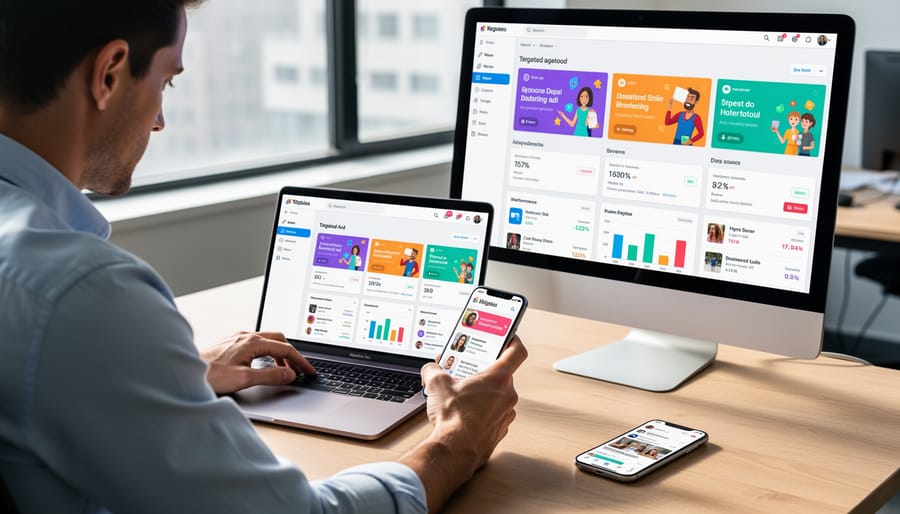
Paid social media advertising can feel intimidating when you’re running a small business, but Facebook and Instagram ads deliver reach and precision that organic posts simply can’t match. The key is targeting: these platforms let you define your ideal customer by location, age, interests, behaviors, and even life events, so you’re not wasting budget on irrelevant audiences.
Start by creating a single campaign with a clear goal, whether that’s driving website traffic, generating leads, or promoting a specific offer. Use the Ads Manager to build your audience, for a local business, try a 5-10 km radius around your location combined with relevant interests. Keep your ad creative simple and mobile-friendly: a high-quality image or short video, concise text that leads with the benefit, and a strong call-to-action button.
Set up conversion tracking from the start so you can track results like form submissions or purchases, not just clicks. A home cleaning service in Mississauga ran campaigns targeting busy homeowners within a 15 km radius with a “first clean half-price” offer. They spent $180 over a month and generated 23 qualified leads, converting nine into recurring clients.
The beauty of Facebook and Instagram ads is the feedback loop: you’ll see within days which headlines, images, and audiences resonate. Refine based on that data, pause what’s not working, and double down on winners. Even $100 can yield meaningful results when you’re strategic about who sees your message.
6. Develop a Customer Referral Program

A customer referral program turns your happiest customers into active promoters by rewarding them for bringing in new business. The beauty of this digital marketing idea lies in its simplicity and low cost, you’re essentially paying for results rather than exposure.
Start by choosing an incentive structure that makes sense for both parties. Popular options include giving both the referrer and new customer 15% off their next purchase, offering a $20 credit for each successful referral, or providing tiered rewards (three referrals earns a free product). Make the math simple and the value clear.
For tracking, use affordable tools like ReferralCandy, Yotpo, or even a basic spreadsheet paired with unique referral codes. These platforms automate code generation, track conversions, and trigger rewards without requiring technical expertise.
Promote your program everywhere: in post-purchase emails, on receipts, through social media posts, and with physical cards at checkout. Create shareable content that makes referring easy, pre-written messages customers can send via text or email work exceptionally well.
A Toronto café implemented a “Give $5, Get $5” referral program using personalized QR codes on receipts. Within three months, referrals accounted for 18% of new customers, with an acquisition cost 60% lower than paid advertising. The key was making it effortless to participate and immediately rewarding both parties.
7. Optimize Your Website for Search Engines (SEO)
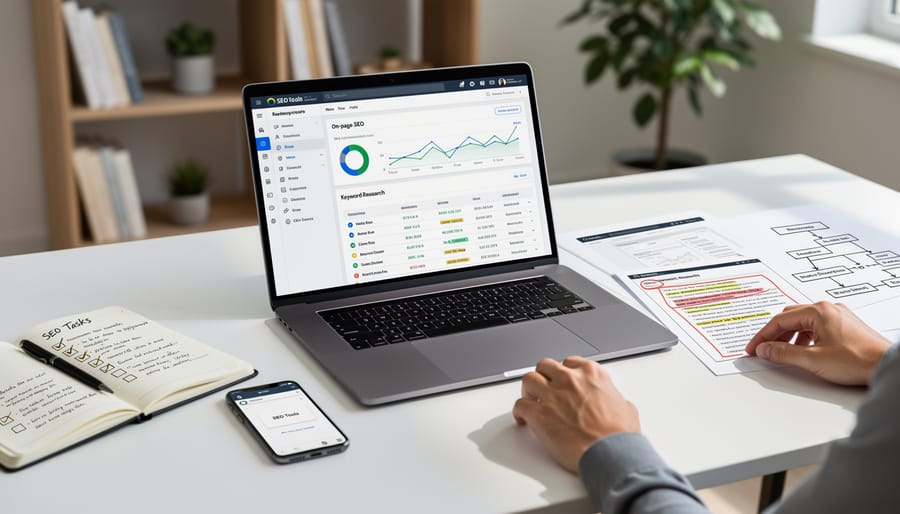
Search engine optimization might sound technical, but the basics can transform your website’s visibility without requiring a developer. Start with keyword research focused on what your local customers actually search for. A Vancouver bakery, for instance, should target “gluten-free cakes Vancouver” rather than generic “bakery services.” Free tools like Google Keyword Planner reveal these search terms.
Once you know your keywords, place them strategically in three key areas: page titles, header tags (the H1 and H2 headings on your page), and meta descriptions (the snippet that appears in search results). Your meta description should read like an invitation, not a keyword list. Write for humans first, then weave in your target phrase naturally.
Mobile optimization matters more than ever, since most local searches happen on phones. Test your site on mobile devices. Does it load quickly? Can visitors tap buttons easily? Google actually penalizes slow, clunky mobile sites in search rankings.
Emily Chen, owner of a Mississauga home organizing service, applied these fundamentals herself over six months. She rewrote page titles to include location-specific phrases, compressed images to speed up load times, and added helpful FAQ sections with natural keyword variations. Her organic traffic tripled, bringing 15 new client inquiries monthly without spending a dollar on ads. The key was consistency: she dedicated two hours weekly to improving one page at a time.
8. Host Virtual Events or Webinars
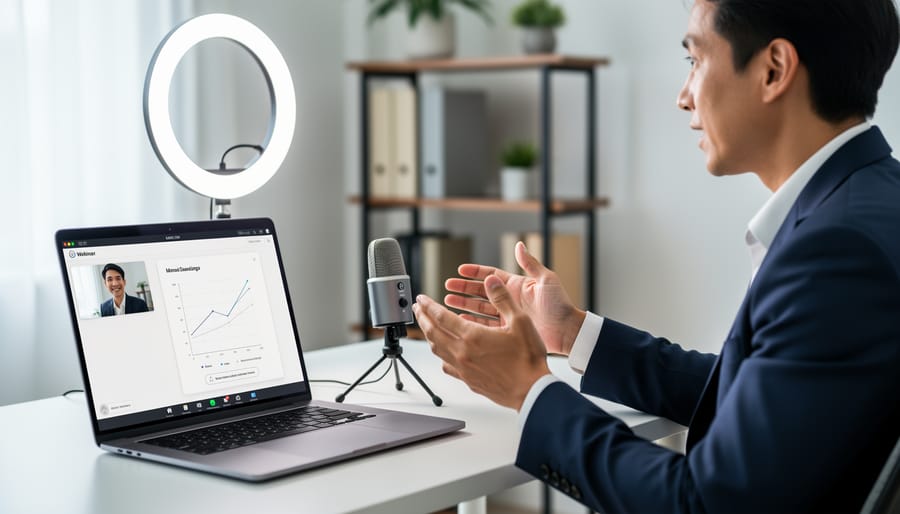
Virtual events let you demonstrate your expertise to potential customers without the overhead of renting a venue or arranging travel. A webinar teaching customers how to use your products, a Q&A session about common industry challenges, or a virtual workshop related to your niche positions you as an authority while building trust with attendees who might become buyers.
Start with accessible platforms like Zoom’s free tier (up to 40 minutes), Google Meet, or StreamYard for live streaming to multiple channels simultaneously. Choose a focused topic that solves a specific problem for your target audience rather than a broad overview. A landscaping company might host “Planning Your Spring Garden: What Works in Canadian Climates” instead of a general gardening talk.
Promote your event two to three weeks ahead through email, social posts, and your website. Create a simple landing page with the date, topic, what attendees will learn, and a registration form to capture email addresses. Remind registrants three days before, one day before, and an hour before the event starts.
During the webinar, deliver genuine value first and save any sales pitch for the final five minutes. Record the session to repurpose as on-demand content. Within 24 hours, email attendees a thank-you message with the recording, key resources mentioned, and a clear next step like booking a consultation or claiming a limited-time discount. Track registrations, attendance rates, and post-event conversions using your existing marketing tools to refine future events.
9. Leverage User-Generated Content in Your Marketing
User-generated content turns your customers into brand ambassadors without requiring a production budget. When real people share photos, videos, or reviews featuring your business, they create authentic marketing materials that resonate far more than polished ads.
Start by making it easy for customers to tag you. Create a branded hashtag and display it prominently in your store, on receipts, and in email signatures. A café in Halifax increased their Instagram content by 300% simply by adding #BrewedInHalifax to their counter signage and asking customers to share their coffee moments.
Always request permission before reposting customer content. A simple DM saying “Love this photo! May we share it on our page with credit?” builds goodwill and protects you legally. Most customers feel honored and say yes immediately.
Incentivize sharing through monthly contests or features. Offer a small prize for the best customer photo each month, or create a “Customer Spotlight” section on your website. A boutique in Toronto repurposes customer outfit photos into shoppable Instagram posts, tagging the original creators and driving sales from real styling examples.
Curate this content into email newsletters, website testimonials, and paid ads. User-generated visuals in Facebook ads often achieve lower costs per click because they look native rather than promotional.
10. Implement Retargeting Campaigns to Re-Engage Visitors
Most website visitors leave without making a purchase or booking a service. Retargeting campaigns bring these potential customers back by showing them targeted ads after they’ve visited your site, keeping your business top of mind when they’re ready to buy.
The technology works through tracking pixels, small pieces of code you add to your website. When someone visits, the pixel tags their browser, allowing you to show them relevant ads as they browse other websites or social media platforms. Google Ads and Meta (Facebook/Instagram) offer the most accessible retargeting options for small businesses, with daily budgets starting at just $5.
A Calgary-based home decor shop used Meta retargeting to show ads featuring the exact products visitors had viewed. By offering a 10% discount code in these ads, they converted 15% of returning visitors within 30 days, spending only $150 on ads that month.
Start with simple campaigns targeting all recent website visitors. As you collect data, create separate audiences for people who viewed specific products, abandoned carts, or spent significant time on your site. Refresh your ad creative every two weeks to prevent ad fatigue, and test different messages, urgency (“Limited stock remaining”), social proof (“Join 500+ happy customers”), or incentives work well.
If you’re new to digital advertising, get started with a single platform before expanding. Track your cost per conversion to ensure retargeting delivers positive returns.
Making Your Digital Marketing Ideas Work
The most successful digital marketing campaigns start small and scale what works. Rather than overwhelming yourself by implementing all ten ideas simultaneously, select two or three that align with your business strengths and customer behaviour. If you already have an active social media presence, start with short-form video content. If local customers drive your revenue, prioritize Google Business Profile optimization.
Track specific metrics for each tactic you implement. Monitor website visits, email open rates, social media engagement, or cost per lead depending on your chosen strategies. Give each idea adequate time to produce results, most digital marketing efforts need 60 to 90 days of consistent execution before you’ll see meaningful patterns. Once you identify what resonates with your audience, double down on those channels and gradually test additional ideas. The accessible digital marketing tools mentioned throughout this article make experimentation affordable, so you can refine your approach without significant financial risk.
Frequently Asked Questions
Which digital marketing idea should I start with?
Start with Google Business Profile optimization if you serve local customers, since it’s completely free and can generate visibility within days. If you’re e-commerce focused, begin with email marketing sequences because they deliver direct revenue and you likely already have customer contacts to work with.
How much budget do I need to implement these ideas?
Several ideas cost nothing beyond your time, including Google Business Profile, user-generated content campaigns, and collaborative partnerships. Paid strategies like Facebook ads or retargeting can start with $5-10 per day, while email marketing platforms typically run $15-30 monthly for small subscriber lists.
How long before I see results from digital marketing?
Timeline varies by tactic: Google Business Profile updates can impact local search within a week, while SEO improvements typically take 3-6 months. Paid advertising and email campaigns often generate measurable responses within days, making them good choices when you need faster feedback.
Should I use free tools or invest in paid platforms?
Start with free versions to learn what works for your business, then upgrade to paid tools as specific needs emerge. Many businesses successfully run on free platforms for months, investing in paid upgrades only when they hit subscriber limits or need advanced features that directly support growth.
How do I measure if my digital marketing is working?
Track metrics tied to your business goals: website traffic and conversion rate for online sales, phone calls and direction requests for local services, email open rates and click-throughs for campaigns. Use free tools like Google Analytics and platform-specific dashboards to monitor these numbers weekly, focusing on trends rather than day-to-day fluctuations.
Can I manage digital marketing myself or do I need to hire help?
Most small businesses successfully handle 2-3 of these strategies in-house with 5-10 hours weekly commitment. You can start alone and outsource specific tasks like video editing or ad design as revenue grows, keeping strategy and customer relationships under your control.
Remember that digital marketing success comes from consistency rather than perfection. Pick the ideas that align with how your customers actually find and choose businesses like yours, commit to them for at least 90 days, and adjust based on what the data tells you. Your competitors are likely neglecting several of these tactics, which means opportunity exists for small businesses willing to show up regularly and provide genuine value to their audience.
You may also like
-
Using Reddit to Launch a New Product: Eligibility, How to Navigate the Platform, and Where to Get Help
-
What Is a Senior-Level Applicant on LinkedIn (and How Does It Work)?
-
12 Digital Innovation Examples Transforming Small Business Operations in 2026
-
B2B Marketing Consulting Services: What They Are and How They Help Canadian SMBs Grow
-
Guide to Buying a Restaurant in Canada: What to Check, Practical Information, and Insider Tips