

Digital innovation isn’t theoretical anymore. Canadian small businesses are using cloud accounting software to cut bookkeeping time by 75%, deploying AI chatbots that handle customer queries around the clock, and tapping into social commerce tools that turn Instagram posts into direct sales channels. These aren’t futuristic concepts or strategies reserved for tech giants. They’re accessible, affordable solutions already delivering measurable results for corner bakeries, local consultants, and independent retailers across the country.
The evidence is clear: when digital tools transform everyday operations, small businesses compete more effectively, serve customers better, and free up time for growth. A Toronto café owner now manages inventory automatically through smart sensors. A Vancouver bookkeeper serves clients nationwide via secure cloud platforms. An Edmonton retailer doubled online revenue by implementing augmented reality product previews.
This article showcases 12 concrete digital innovation examples that real small businesses have adopted successfully in 2026. You’ll see what each innovation does, which businesses benefit most, and how others have implemented these changes without breaking the bank or requiring technical expertise. Whether you’re curious about automation, exploring new sales channels, or looking to modernize legacy processes, these examples offer practical starting points grounded in proven outcomes.
How We Selected These Digital Innovation Examples
We didn’t pick these 12 digital innovations at random. Each example made the cut based on specific criteria that matter to Canadian small business owners like you.
Here’s what we looked for:
- Real-world adoption by Canadian small businesses across various industries
- Measurable operational impact, such as time saved, costs reduced, or revenue increased
- Accessibility for businesses with limited budgets, typically under $500 monthly
- Proven results with documented success stories from actual business owners
- Ease of implementation without requiring extensive technical expertise
These criteria ensure every innovation you’ll read about is practical, affordable, and already working for businesses similar to yours. We focused on tools and technologies that solve real operational challenges rather than flashy trends that sound impressive but deliver little value. Each example includes a concrete success story from a Canadian business, so you can see exactly how these innovations translate into tangible results.
1. AI-Powered Customer Service Chatbots
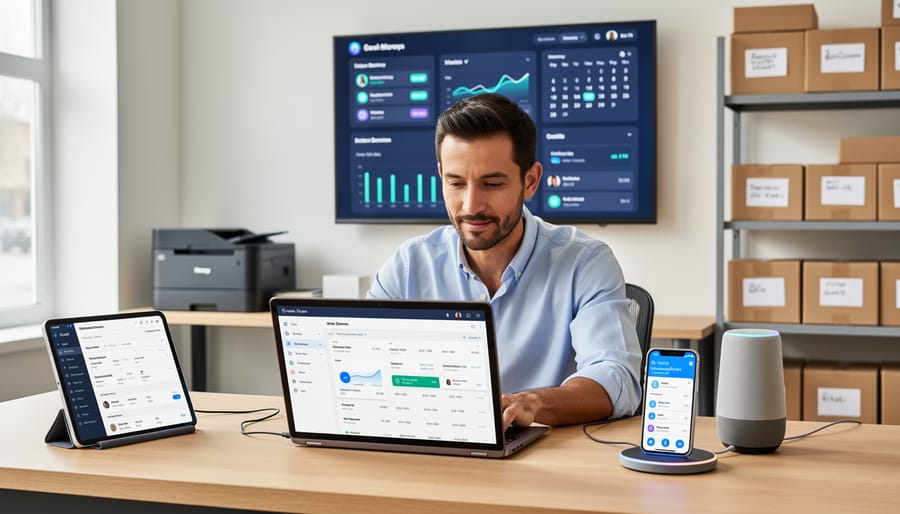
AI chatbots have become surprisingly accessible for small businesses, with platforms starting under $50 per month. These systems handle the repetitive questions that used to consume hours of staff time, tracking orders, store hours, return policies, product availability, while escalating complex issues to human team members.
Toronto-based Willow & Birch Home, a boutique furniture retailer with three employees, implemented an AI chatbot in early 2026. Owner Sarah Chen reports the bot now handles 70% of initial customer inquiries, answering questions about delivery times, dimensions, and care instructions instantly. “We were drowning in the same twenty questions,” Chen explains. “Now my team focuses on design consultations and custom orders while the chatbot takes care of basics, even at 2 AM when someone’s browsing our site.”
The technology learns from real conversations, improving its accuracy over time. Most small business owners report setup taking just a few days, with templates for common industries built in. The immediate benefit isn’t just faster response times, it’s the ability to capture leads outside business hours. Chen notes a 30% increase in after-hours sales inquiries that convert to purchases, customers who previously would have moved on to competitors with instant answers available.
2. Cloud-Based Inventory Management Systems
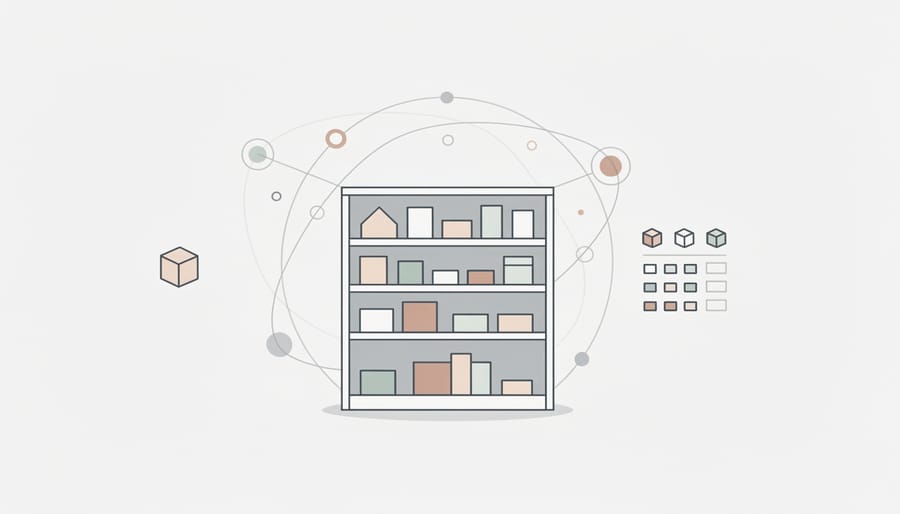
Cloud-based inventory management has eliminated the guessing game that used to plague small retailers. These systems track stock levels in real time across multiple locations, automatically update when items are sold, and alert owners before products run out.
Montreal-based outdoor gear retailer Trail North provides a telling example. Owner Sarah Chen previously spent hours each week manually counting inventory and reconciling spreadsheets between her physical store and warehouse. Stock discrepancies were common, leading to disappointed customers and emergency reorders that ate into profits.
After implementing a cloud-based inventory system in early 2026, Chen can now check stock levels from her phone while meeting with suppliers. The system automatically generates purchase orders when items hit minimum thresholds and provides sales velocity data showing which products move fastest. Within three months, Trail North reduced stockouts by 73% and cut excess inventory holding costs by $8,400 annually.
The real advantage extends beyond counting items. These platforms integrate with point-of-sale systems and e-commerce sites, creating a unified view of inventory that updates instantly across all channels. For small businesses juggling limited storage space and tight cash flow, knowing exactly what’s in stock, and what’s selling, transforms decision-making from reactive scrambling to strategic planning.
3. Mobile Point-of-Sale (POS) Solutions
Modern mobile POS systems have eliminated the need for bulky cash registers and fixed checkout counters. Small businesses now operate full-featured payment terminals from smartphones or tablets, processing credit cards, tap payments, and digital wallets wherever customers are ready to buy.
The operational advantages go beyond portability. Every transaction automatically updates inventory counts, syncs with accounting software, and builds customer purchase histories. Business owners access real-time sales reports from anywhere, making it possible to track performance during market days, festivals, or multi-location operations without waiting for end-of-day reconciliation.
Toronto-based Maple & Moss, a small plant shop, transformed their business model with mobile POS technology. Owner Sarah Chen started with weekend farmer’s markets while maintaining limited retail hours. After adopting a tablet-based system, she expanded to corporate events, pop-up installations, and outdoor festivals without investing in additional infrastructure. Her sales increased 140% in the first year, primarily from events that would have been impossible with traditional payment systems.
The technology works equally well for service providers making house calls, food trucks rotating between locations, and retailers testing new markets before committing to permanent spaces. Setup takes minutes, monthly costs typically run under $50, and the flexibility reshapes how and where small businesses can generate revenue.
4. Automated Accounting and Bookkeeping Software
Managing finances used to mean drowning in receipts, chasing invoices, and spending entire weekends updating spreadsheets. Automated accounting software has changed that reality for thousands of Canadian small businesses.
These platforms connect directly to your bank accounts and credit cards, automatically categorizing transactions as they happen. You snap a photo of a receipt with your phone, and the expense gets logged, categorized, and stored, no manual entry required. When tax season arrives, your financial reports are already organized and ready for your accountant.
Sarah Chen runs a landscaping company in Vancouver with twelve seasonal employees. Before switching to automated bookkeeping software, she spent eight to ten hours monthly reconciling accounts and generating invoices. Now those tasks happen automatically. The system sends invoices immediately after job completion, tracks which clients haven’t paid, and sends polite payment reminders without Sarah lifting a finger.
“I reclaimed my weekends,” Sarah says. “The software cut my bookkeeping time to less than two hours monthly, mostly just reviewing what’s already been done automatically.”
The financial visibility matters just as much as the time savings. Real-time dashboards show cash flow, outstanding invoices, and expense trends, helping business owners make informed decisions instead of guessing their financial position between quarterly accountant visits.
5. Social Media Scheduling and Analytics Platforms
Sarah Chen runs a specialty coffee roastery in Vancouver with two part-time employees. Before 2024, she spent 90 minutes each day manually posting to Instagram, Facebook, and LinkedIn, time she desperately needed for actual roasting and customer service.
She switched to a social media scheduling platform that changed everything. Now Sarah batches content creation on Sunday afternoons, scheduling an entire week’s worth of posts across all platforms in under an hour. The system automatically publishes at optimal times when her audience is most active, even during her 5 a.m. roasting sessions.
The analytics dashboard reveals which posts drive the most website traffic and sales. Sarah discovered her behind-the-scenes roasting videos generate three times more engagement than product photos, so she adjusted her content strategy accordingly. Customer inquiries through social channels increased 40% within three months.
The real win? Sarah reclaimed seven hours weekly while actually improving her social media presence. She redirected that time to developing new blends and building wholesale relationships. Her monthly subscription jumped from 180 to 340 customers, directly tied to consistent, strategic social content she couldn’t have maintained manually.
6. Virtual Collaboration and Project Management Tools
When Sarah Chen launched her Vancouver-based graphic design studio in 2024, she knew hiring talented designers would stretch her budget. Virtual collaboration tools solved that problem, and unlocked capabilities she hadn’t anticipated.
Sarah now runs a team of five across three provinces using Asana for project tracking and Slack for daily communication. Each designer sees exactly what’s due, who’s responsible, and where files live. Client feedback gets captured in one place instead of scattered across email threads. “We went from missed deadlines and confused handoffs to a system where everyone knows the status of every project instantly,” Sarah explains.
The impact shows in the numbers: her team now completes 30% more projects monthly compared to when she worked alone with occasional contractors. Client revisions happen faster because everyone accesses the same master files. Team members collaborate on complex projects without scheduling marathon video calls.
These platforms cost her less than $50 monthly total, far cheaper than office rent, yet they’ve enabled her to compete for contracts that previously went to larger agencies. Her distributed team means she can serve clients across time zones without anyone working odd hours. The tools didn’t just enable remote work; they made her business more efficient than a traditional office setup ever was.
7. Digital Appointment and Booking Systems
Online booking systems eliminate phone tag and reduce administrative burden by letting customers schedule appointments any time through a website or app. These platforms automatically check availability, send confirmation emails, and deliver reminder texts to cut no-shows by up to 60%.
Sarah Chen, who owns Harmony Wellness Studio in Vancouver, transformed her scheduling chaos with an automated booking system in early 2026. Before the switch, she spent nearly 90 minutes daily managing appointment calls and texts while trying to deliver massage therapy services. Clients often called during sessions, creating interruptions and missed bookings.
Her digital system now handles scheduling around the clock. Clients book directly through her website, selecting available time slots that sync with her calendar in real time. The platform sends automatic reminders 48 hours and 2 hours before appointments, which dropped her no-show rate from 18% to just 4%. She reclaimed those 90 daily minutes for actual client care and added evening appointments that previously went unfilled because she couldn’t answer calls after hours.
The system also collects intake forms digitally before appointments and processes deposits, solving two other operational headaches. Her monthly subscription costs $45, far less than the revenue lost to scheduling inefficiencies.
8. E-Commerce Integration for Brick-and-Mortar Stores

Traditional retailers no longer have to choose between physical and online presence. E-commerce integration platforms now let brick-and-mortar stores add digital storefronts that automatically sync inventory, orders and customer data in real time, creating a unified shopping experience across both channels.
The key advantage is reaching customers who prefer browsing online before buying, can’t visit during store hours, or live outside your immediate area. A synchronized system prevents overselling by updating stock levels instantly when purchases happen in-store or online, eliminating the manual tracking that causes headaches and disappointed customers.
Blush Lane Organic Market, a Calgary-based specialty grocer, exemplified this transition by launching an integrated online store that mirrored their physical inventory. Customers could order groceries for pickup or delivery while the system automatically adjusted stock counts across all locations. Within six months, their online channel generated 23% of total revenue and attracted customers from neighbourhoods without nearby stores.
Modern platforms like Shopify POS, Square for Retail, and Lightspeed handle the technical complexity, offering affordable monthly plans that include website hosting, payment processing, and inventory management. Most Canadian retailers report their e-commerce integration pays for itself within three to four months through expanded sales and reduced inventory errors.
9. Customer Relationship Management (CRM) Platforms
Modern CRM platforms give small businesses the customer intelligence that once required enterprise-level resources. These systems automatically log every customer interaction, purchases, support tickets, email opens, website visits, creating a unified profile that helps you deliver personalized service at scale.
Ottawa-based home renovation company Timber & Stone adopted HubSpot CRM in 2024 after struggling to track client preferences across initial consultations, project phases, and post-completion follow-ups. The system now flags when past clients are due for maintenance services, reminds the team of each homeowner’s style preferences before consultations, and automatically segments customers for targeted renovation trend updates. Owner Marcus Chen reports that repeat business jumped 34% in the first year because his team could proactively reach out with relevant project ideas based on each client’s history.
The real power emerges when you connect your CRM to other tools in your digital transformation stack. Timber & Stone syncs their CRM with Google Analytics to see which website content drives the most qualified leads, then tailors follow-up conversations accordingly. Entry-level CRM options like Zoho or Insightly start around $15 per user monthly, making relationship tracking accessible even for solo entrepreneurs who previously relied on spreadsheets and memory.
10. Digital Payment and Invoicing Solutions
Digital payment and invoicing solutions have eliminated one of the most frustrating challenges for small businesses: waiting weeks to get paid. Modern platforms like Wave, QuickBooks Online, and FreshBooks let you create professional invoices in minutes, send them instantly, and accept payments directly through credit card or bank transfer. The real breakthrough is automated payment reminders, gentle nudges sent to clients before and after due dates without you lifting a finger.
Sarah Chen, who runs a Toronto-based graphic design consultancy, reduced her average payment time from 42 days to 11 days after switching to digital invoicing. “I used to spend hours chasing late payments,” she explains. “Now the system sends reminders automatically, clients can pay with one click, and the money hits my account within days.” Her cash flow improved so dramatically that she could finally take on larger projects without worrying about covering expenses.
These platforms also integrate seamlessly with accounting software and Zapier automation creating invoices from completed work orders or sending thank-you emails after payment. For Canadian small businesses operating on tight margins, faster payment cycles mean fewer cash crunches and more predictable financial planning.
11. Data Analytics and Business Intelligence Tools
Michelle Nguyen runs a small chain of three coffee shops in Vancouver, and for years she made inventory and staffing decisions based on gut feeling. Then she started using an affordable business intelligence platform that aggregates data from her POS systems, showing her exactly which products sell when, how foot traffic patterns shift by day and season, and which locations underperform during specific hours.
Within two months, she’d cut food waste by 22% by adjusting her pastry orders to match actual demand patterns. She discovered Tuesday afternoons were consistently slow at her Kitsilano location, so she reduced staff coverage and redirected those labour hours to Friday mornings when sales spiked. She also identified that customers who bought her specialty lattes were three times more likely to return within a week, prompting her to add a loyalty reward specifically for those drinks.
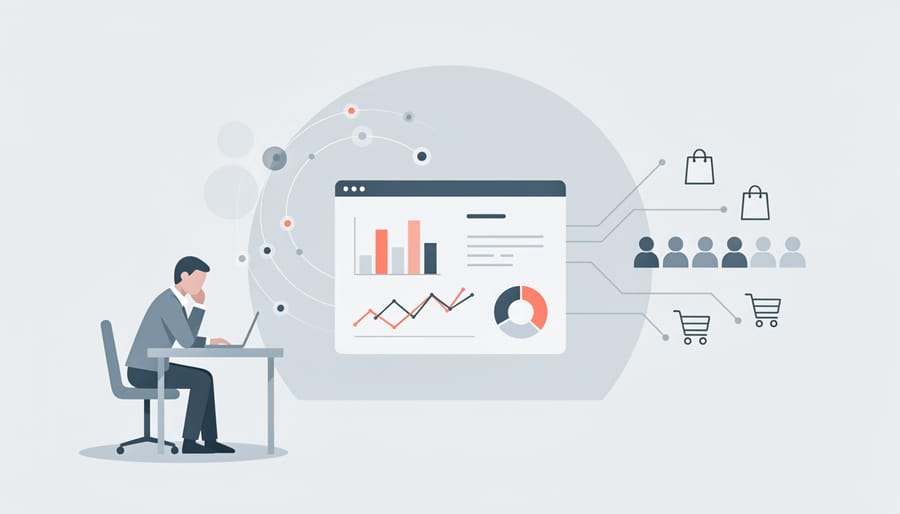
Modern analytics tools designed for small businesses don’t require a data science degree. Platforms like Microsoft Power BI, Google Data Studio, or specialized retail analytics software connect to your existing systems, payment processors, accounting software, e-commerce platforms, and automatically generate visual dashboards showing what’s working and what isn’t.
The competitive advantage isn’t just knowing your total monthly revenue. It’s understanding which product categories drive profit, which customer segments are growing, and where operational bottlenecks cost you money. When you can see patterns in your data, you stop guessing and start making decisions backed by evidence.
12. Automated Email Marketing and Customer Engagement
Modern email marketing platforms have transformed how small businesses stay connected with customers without requiring constant manual effort. These systems automatically trigger personalized messages based on specific customer behaviors, a welcome email when someone subscribes, a follow-up after a purchase, or a re-engagement message for inactive customers.
Take Willow & Sage, a Toronto skincare boutique. Owner Maria Chen struggled to maintain consistent customer communication while managing daily operations. After implementing automated email marketing in early 2025, she created sequences that sent personalized product recommendations based on past purchases, birthday discounts, and educational content about skincare routines.
The results were striking. Within six months, repeat purchases increased by 43%, and email-driven revenue accounted for 28% of total sales. “I’m nurturing customer relationships while I sleep,” Maria explains. “The system knows when someone abandons their cart or hasn’t bought in three months, and it reaches out automatically with relevant offers.”
These platforms track open rates, click-throughs, and conversions, showing exactly which messages drive sales. Most offer templates and drag-and-drop builders, making professional campaigns accessible without marketing expertise. The key advantage isn’t just automation, it’s delivering the right message to the right customer at precisely the right moment, turning occasional buyers into loyal advocates.
Getting Started with Digital Innovation in Your Business
The best approach is to identify your biggest operational pain point first. Are customers waiting too long for responses? Is inventory management eating up hours each week? Do you struggle to track cash flow? Choose one digital tool that directly addresses your most pressing challenge rather than trying to modernize everything simultaneously.
Start by setting a realistic budget that includes both the tool’s cost and implementation time. Most cloud-based solutions offer tiered pricing, with starter plans typically ranging from free to $50 monthly for small teams. Factor in 2-4 weeks for setup, staff training, and workflow adjustments. Request free trials from 2-3 providers to test functionality with your actual operations before committing.
Look for tools that integrate with systems you already use. A scheduling platform that connects with your existing email and payment processor will save hours of manual data entry. Check whether the provider offers Canadian customer support, accepts Canadian dollars, and understands local tax requirements.
Involve your team early. The staff members who will use these tools daily often spot potential problems and workflow improvements that aren’t obvious from the outside. Their buy-in dramatically increases successful implementation.
Avoid overcomplicating your first digital innovation. A simple automated booking system that works is infinitely more valuable than a feature-packed platform your team finds too complex to use consistently.
Common Questions About Digital Innovation for Small Business
How much should a small business budget for digital innovation tools?
Most small businesses can start with $50-200 per month for essential digital tools, with many offering free tiers or trials. Focus on one or two high-impact solutions first rather than trying to adopt everything at once, then expand as you see returns.
What if my team isn’t tech-savvy?
Choose tools designed for non-technical users with intuitive interfaces and strong customer support. Most modern platforms offer video tutorials, live chat assistance, and onboarding help specifically for small business owners without IT backgrounds.
How do I know which digital innovation to implement first?
Identify your biggest operational pain point, whether that’s missed appointments, slow payments, inventory chaos, or customer service bottlenecks. Start with the tool that directly addresses your most time-consuming or costly problem.
Can new digital tools integrate with my existing systems?
Most cloud-based platforms offer integrations with popular business software through direct connections or tools like Zapier. Before committing, check the integration options and ask vendors about compatibility with your current systems.
How long before I see a return on investment?
Many small businesses report measurable improvements within 30-90 days, such as time saved, reduced errors, or faster payments. Track specific metrics like hours saved per week or percentage reduction in no-shows to quantify your ROI.
The concerns behind these questions are valid, but they shouldn’t stop you from moving forward. Digital innovation has become remarkably accessible for small businesses, with lower barriers to entry than ever before. The key is starting small, choosing solutions that match your actual needs, and giving your team time to adjust. Canadian small businesses across every industry have successfully made these transitions, often discovering that the tools are easier to use and more impactful than they initially expected.
Digital innovation has shifted from competitive advantage to basic requirement. Canadian small businesses that embrace these technologies are seeing measurable improvements in efficiency, customer satisfaction, and bottom-line results, while those that delay risk falling behind competitors who are already automating, analyzing, and optimizing their operations.
You don’t need to implement all twelve examples at once. Choose the innovations that solve your most pressing challenges first, measure the results, then expand from there. The small businesses featured throughout this article started exactly where you are now. They took that first step, learned as they went, and transformed their operations one innovation at a time. Your business can do the same.
You may also like
-
Using Reddit to Launch a New Product: Eligibility, How to Navigate the Platform, and Where to Get Help
-
10 Digital Marketing Ideas for Small Businesses That Drive Real Results
-
What Is a Senior-Level Applicant on LinkedIn (and How Does It Work)?
-
B2B Marketing Consulting Services: What They Are and How They Help Canadian SMBs Grow
-
Guide to Buying a Restaurant in Canada: What to Check, Practical Information, and Insider Tips