
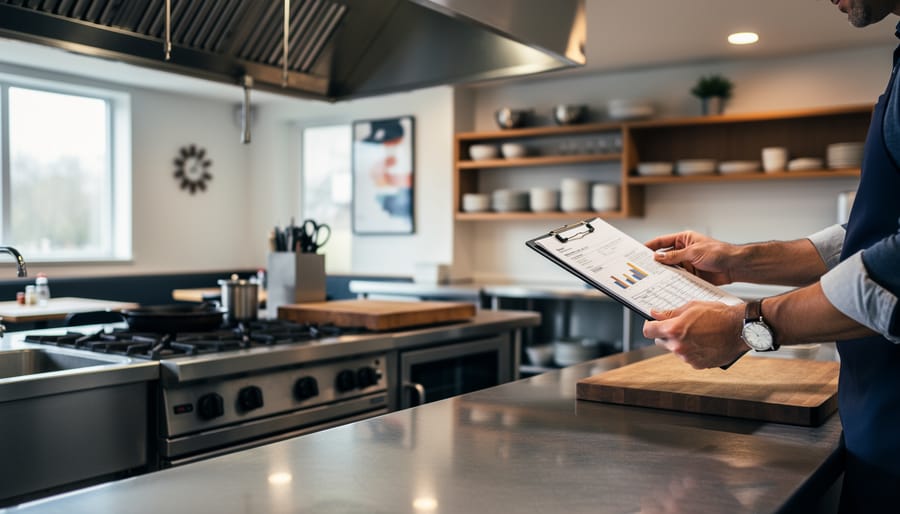
Buying a restaurant in Canada requires checking at least 15 critical areas before you sign, and missing even one can turn a promising opportunity into a financial disaster. The process takes roughly 60 to 90 days of thorough investigation and typically costs between $5,000 and $15,000 in professional fees, but this investment protects you from inheriting hidden debts, expired licences, or equipment that’s about to fail.
Most prospective buyers focus heavily on the menu and décor while overlooking foundational issues like lease terms, equipment condition, and municipal compliance. Sarah Chen, who purchased a thriving Vietnamese café in Vancouver last year, nearly walked away from what became her successful business because she almost missed a critical clause in the lease that would have doubled her rent after 18 months.
The stakes are significant. Statistics show that restaurants change hands frequently, and many fail within their first two years not because of poor cooking or service, but because buyers didn’t ask the right questions during due diligence. Financial records might look healthy on paper while concealing seasonal slumps, declining foot traffic, or pending legal issues. Equipment might appear functional but be months away from expensive replacements.
This guide walks you through every checkpoint you need to examine, from reviewing three years of financial statements to testing kitchen equipment and verifying staff arrangements. You’ll learn what red flags to watch for, which professionals to hire, and how to structure your timeline so nothing falls through the cracks.
Why Buying a Restaurant in Canada Is Worth the Investment (and Why Due Diligence Matters)
Canada’s restaurant industry generates over $100 billion in annual revenue, driven by a diverse population that embraces dining out as both a social activity and cultural experience. The sector’s resilience, even through economic shifts, makes it an attractive investment for entrepreneurs seeking established businesses with immediate cash flow. From neighbourhood bistros to specialty ethnic eateries, the range of restaurants available across Canada offers buyers flexibility to match their expertise, budget, and lifestyle goals.
The potential rewards extend beyond financial returns. Restaurant ownership provides creative control, community connection, and the satisfaction of building something tangible. Many successful buyers have leveraged existing customer bases, proven operational systems, and trained staff to hit the ground running, avoiding the costly startup phase that drains resources for new ventures.
However, the same factors that make restaurants appealing also introduce significant risk. A charming dining room can mask outdated equipment, lease traps, or declining sales. Sellers naturally present their best case, and what looks profitable on paper may hide deferred maintenance, staffed-up books, or pending regulatory issues. Unlike buying inventory or equipment, you are acquiring legal obligations, staff relationships, supplier contracts, and a reputation built over years.
This is why thorough vetting matters. Each checkpoint in your examination protects against a different category of risk. Skipping steps or rushing the process leaves you vulnerable to problems that become your responsibility the moment ownership transfers. The goal is not to talk yourself out of buying, but to enter the transaction with clear eyes, accurate information, and realistic expectations about what you are truly acquiring.
1. Financial Records and Revenue Verification

Start by requesting a minimum of three years’ worth of financial documentation, and be prepared to walk away if the seller hesitates or provides incomplete records. This checkpoint forms the foundation of your due diligence because it reveals whether the business is genuinely profitable or simply surviving on borrowed time.
Your document request should include:
- Audited or reviewed financial statements for the past three years
- Corporate tax returns (T2) and GST/HST filings
- Monthly profit and loss statements showing revenue, cost of goods sold, and operating expenses
- Year-to-date statements for the current period
- Complete sales records broken down by day, week, and month
Once you have these documents in hand, cross-reference the reported revenue with independent verification sources. Pull daily sales reports from the point-of-sale system going back at least 12 months, then match these figures against bank deposit records. Significant discrepancies between POS data, deposit slips, and declared income should raise immediate concerns about either unreported cash sales or inflated numbers presented to prospective buyers.
Pay particular attention to profit margins and cost ratios. Food cost should typically run between 28% and 35% of revenue, while total labour costs usually fall between 25% and 35%. If the seller’s numbers show dramatically better margins, dig deeper into whether they’re understating expenses, overstating revenue, or benefiting from circumstances that won’t transfer to new ownership.
Watch for red flags like steadily declining revenue over multiple years, seasonal fluctuations the seller can’t explain, unusually high owner compensation that masks poor profitability, or sudden revenue spikes in the months before listing the business. Request explanations for any anomalies, and consider engaging a forensic accountant if the numbers don’t add up. Remember that sellers have every incentive to present their best case, so your job is to verify independently rather than accept figures at face value.
2. Licences, Permits, and Regulatory Compliance
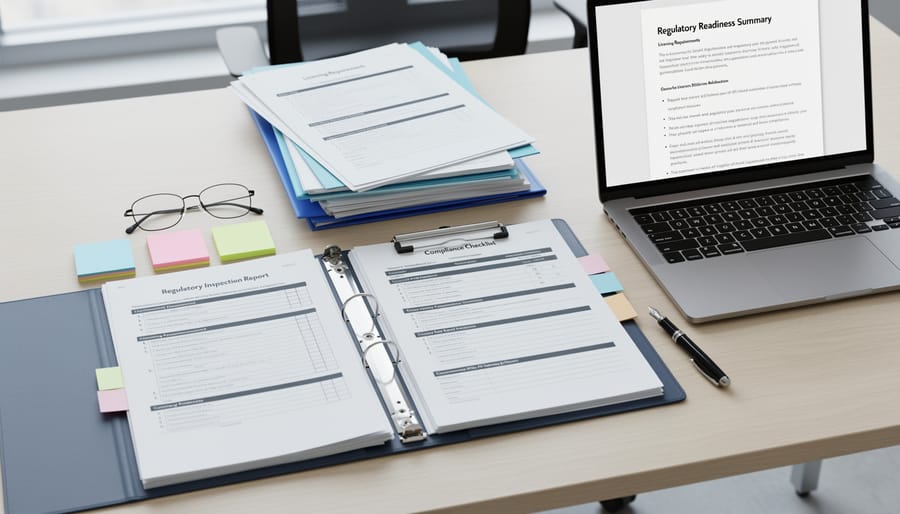
Before signing any purchase agreement, confirm that every required licence and permit is current, valid, and transferable to you as the new owner. A restaurant with missing or lapsed permits creates legal headaches and immediate expense, sometimes forcing temporary closure during the transition.
Start with the business licence issued by the municipality where the restaurant operates. This basic permit allows commercial operation and must be renewed annually. Verify it’s active and ask the seller for transfer documentation requirements from city hall.
Next, examine the liquor licence closely if the restaurant serves alcohol. In most provinces, the Alcohol and Gaming Commission (or equivalent body) issues these permits, and they are often the most valuable asset in the sale. Liquor licences are not automatically transferable. You’ll need to apply for a transfer, pass background checks, and sometimes attend a hearing. This process can take weeks or months, so start early. Check that the current licence covers the type of service you plan to offer (dining room service, patio sales, take-out alcohol) and note any capacity restrictions.
Food service permits and health inspection records sit at the provincial or regional health authority level. Request the last three years of health inspection reports to spot recurring violations or structural issues that could require costly remediation. A clean track record makes the transition smoother and protects your reputation from day one.
| Licence/Permit Type | Issuing Authority | Typical Cost Range | Transfer Considerations |
|---|---|---|---|
| Business Licence | Municipal | $50-$500/year | Usually straightforward transfer with application |
| Liquor Licence | Provincial (AGCO, etc.) | $300-$1,500+/year | Requires application, background check, possible hearing |
| Food Service Permit | Regional Health Unit | $200-$800/year | New inspection often required; non-transferable in some regions |
| Sign Permit | Municipal | $100-$400 | May need reapplication if changing signage |
Don’t overlook building code compliance and zoning verification. Confirm the property is legally zoned for restaurant use and that any past renovations received proper permits. Unpermitted modifications can surface during your ownership and force expensive corrections or even closure orders. Ask for copies of all building permits for renovations, hood system installations, and patio expansions.
Finally, check for specialized permits like outdoor patio licences, music and entertainment permits, or food truck commissary approvals if applicable. Each missing piece creates delays and costs that eat into your opening timeline and budget.
3. Lease Terms and Landlord Relationships

The commercial lease can make or break your restaurant purchase, even if everything else looks perfect. Start by requesting the complete lease agreement and any amendments, then verify how much time remains on the current term. Most lenders won’t finance a restaurant purchase unless at least three to five years remain on the lease or you have solid renewal options in writing. A lease expiring in 18 months gives you virtually no security for your investment.
Pay close attention to the renewal clauses. Are they automatic, or does the landlord have discretion to refuse? What happens to the rent at renewal, is there a fixed percentage increase, or does it jump to “fair market value” determined by the landlord’s appraiser? These details directly impact your long-term profitability and whether you can build equity in the business.
Examine the rent structure carefully. Beyond base rent, you’ll likely pay a percentage of common area maintenance costs, property taxes, and insurance (often called TMI or triple net charges). Request three years of actual CAM reconciliation statements to see if these costs are stable or climbing. A base rent of $5,000 monthly might seem reasonable until you discover another $2,500 in additional charges.
Crucially, the lease must allow assignment or subletting with landlord consent, and that consent can’t be “unreasonably withheld.” Without this language, the landlord could block your purchase entirely. Schedule a meeting with the landlord early in your due diligence to gauge their willingness to transfer the lease and discuss any concerns they might have about new ownership.
Check for operational restrictions buried in the lease. Some agreements limit operating hours, prohibit certain cuisines, restrict your ability to hire new staff beyond a certain number, or require landlord approval for menu changes or renovations. Confirm who handles major repairs, if the HVAC system fails, is that your responsibility or the landlord’s? These obligations can cost tens of thousands of dollars you haven’t budgeted for.
4. Equipment Condition and Kitchen Infrastructure
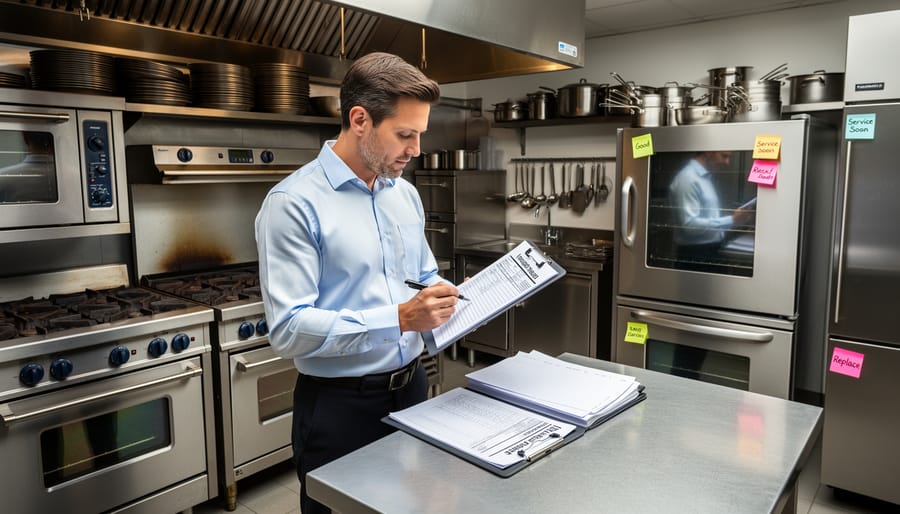
The kitchen is the heart of any restaurant, and faulty equipment can drain your profits before you even open. Start by requesting a comprehensive equipment list that details every item’s brand, model, age, and maintenance history. Walk through the kitchen during operating hours if possible, you’ll see which pieces struggle under real working conditions versus sitting idle during a showing.
Check every major appliance personally. Open oven doors to inspect heating elements, run refrigeration units and verify they maintain proper temperatures, and test gas lines for leaks. Look for rust, excessive wear, and jury-rigged repairs that signal deferred maintenance. Commercial equipment typically lasts 10-15 years with proper care, but a 12-year-old fryer that’s been serviced regularly beats a 5-year-old model that’s been neglected.
Determine what’s owned versus leased. Leased equipment means ongoing monthly payments you’ll inherit, which affects your cash flow calculations. Request copies of all lease agreements and note buyout terms. Some sellers inflate the business value by claiming equipment ownership when items are actually financed.
Don’t overlook HVAC systems and exhaust hoods. A failing ventilation system can shut you down during health inspections, and replacement costs easily reach $15,000-30,000. Review service records for grease trap cleaning, hood system maintenance, and HVAC filter changes. For technology infrastructure, verify that POS systems, security cameras, and internet connectivity are functional and transferable. Some systems are tied to the previous owner’s accounts and can’t be reassigned without hefty setup fees.
5. Staff Contracts and Labour Obligations

Your labour obligations don’t end when you sign the purchase agreement, they often intensify. Request copies of all employment contracts, including full-time, part-time, and casual staff agreements. Pay close attention to wage rates, benefit packages, bonus structures, and any guaranteed hours commitments that transfer with ownership.
Verify compliance with your province’s Employment Standards Act. In Ontario, for example, you inherit responsibility for vacation pay accruals, termination entitlements, and public holiday obligations. Ask for a complete breakdown of accrued vacation days and any outstanding liabilities you’ll assume. A restaurant with fifteen staff members carrying unused vacation could mean $20,000 or more in immediate obligations.
If the restaurant has unionized employees, obtain the collective bargaining agreement and understand your responsibilities as the new employer. Union contracts dictate wage scales, scheduling rules, grievance procedures, and often restrict your ability to make operational changes. Clarify whether the sale triggers any consultation requirements or gives employees termination rights.
Evaluate staff retention realistically. High-performing restaurants often succeed because of their teams, not despite them. Meet key employees before closing, head chef, kitchen manager, front-of-house lead, and gauge their willingness to stay. Consider offering retention bonuses for critical positions during the transition period.
Review the restaurant’s digital systems for tracking labour costs and scheduling. Some sophisticated operations use Google Analytics to correlate staffing levels with customer traffic, while others employ Wi-Fi marketing data to optimize shift planning. Understanding these tools helps you maintain operational efficiency post-purchase.
6. Supplier Contracts and Inventory Assessment
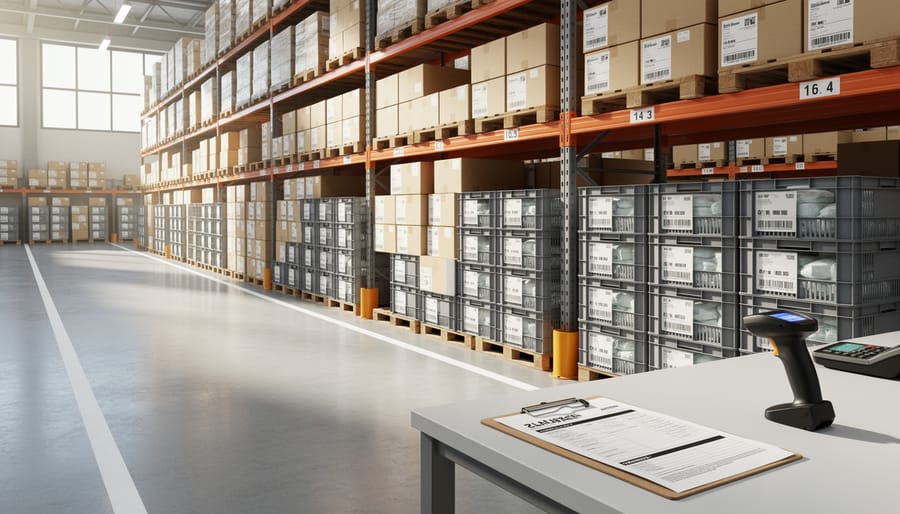
Review all supplier contracts before finalizing your restaurant purchase. Request copies of agreements with food distributors, beverage suppliers, linen services, and waste management companies. Pay close attention to contract length, minimum order requirements, payment terms, and penalty clauses for early termination. Some contracts lock you into unfavorable pricing or include automatic renewal clauses that could cost thousands annually.
Examine the payment schedule for each supplier. Note which vendors require recurring payments versus COD terms, as this affects your cash flow planning. Ask the current owner about typical payment cycles, net 30 days is standard, but some smaller suppliers may demand payment on delivery.
Calculate food cost percentages from recent invoices and POS data. A healthy restaurant typically runs 28-35% food costs, though this varies by concept. Compare the seller’s claimed percentages against actual purchase orders and sales figures. Significant discrepancies signal either poor inventory control or inflated revenue claims.
Conduct a physical inventory count on a weekday evening when stock levels reflect normal operations. Compare this against the inventory value stated in financial documents. Walk the walk-in coolers, dry storage, and bar areas with the owner, questioning expiry dates and stock rotation practices. Excessive inventory might indicate over-ordering problems, while bare shelves could mean supplier relationship issues you’ll inherit.
7. Online Reputation and Customer Base Analysis

Before you commit to a purchase, spend time investigating how the restaurant exists online and in customers’ minds. Start with review platforms: read through Google Reviews, Yelp, TripAdvisor, and Facebook ratings from the past two years. You’re not just looking at the star average. Pay attention to recurring themes in both positive and negative feedback. Do customers consistently praise the service but complain about portion sizes? Do reviews mention the same dishes repeatedly, suggesting menu strengths you’ll want to maintain?
Check the restaurant’s social media accounts. How engaged is the audience? Look at follower counts, post frequency, comment quality, and how management responds to feedback. A dormant Instagram with 500 followers tells a different story than an active page with genuine customer interactions. Request access to social media analytics if possible, follower demographics and engagement rates reveal whether the customer base aligns with your vision.
Dig into repeat business patterns by asking for loyalty program data or reservation system reports showing customer frequency. A restaurant that survives on one-time tourists faces different challenges than one with a loyal neighbourhood following. Search the restaurant’s name alongside terms like “complaint,” “lawsuit,” or “health violation” to uncover any serious reputational damage. A single bad health inspection that went viral can linger in search results for years, affecting bookings regardless of how stellar operations are now.
Practical Information: Timeline, Costs, and Professional Help

Due diligence typically takes four to eight weeks, though complex purchases involving franchise agreements, multiple locations, or troubled financials can stretch to three months. You’ll need to coordinate this timeline with your offer’s conditions and the seller’s expectations.
Budget between $15,000 and $35,000 for professional advisors, depending on the transaction’s complexity and the restaurant’s size. This investment protects you from costly mistakes that could dwarf these upfront costs.
| Professional | Role | Typical Fee Range (CAD) |
|---|---|---|
| Business Lawyer | Reviews contracts, handles closing, ensures legal compliance | $3,000, $8,000 |
| Accountant/CA | Analyzes financials, identifies red flags, tax implications | $2,500, $6,000 |
| Restaurant Consultant | Evaluates operations, market position, transition planning | $3,000, $10,000 |
| Equipment Appraiser | Assesses condition and value of kitchen equipment | $1,500, $3,500 |
| Commercial Inspector | Examines building systems, code compliance, structural issues | $800, $2,000 |
Don’t skimp on expertise. A good accountant will spot revenue manipulation or hidden liabilities worth tens of thousands. A lawyer familiar with restaurant transactions prevents lease traps and costly contract oversights.
For financing, Canadian banks typically require 20-30% down payment for restaurant purchases and scrutinize the business’s cash flow carefully. The Canada Small Business Financing Program can help cover up to $1 million for purchasing or improving a business, though restaurants face stricter qualification criteria due to industry risk. Start conversations with lenders early in your search, not after you’ve found a property.
Business Development Bank of Canada (BDC) offers specialized restaurant financing and understands the sector’s unique challenges. Credit unions and alternative lenders may also finance deals traditional banks decline, though at higher rates.
Insider Tips from Canadian Restaurant Buyers
Talk to staff informally before finalizing the deal. Current employees often know operational realities the seller won’t volunteer, from equipment quirks to supplier reliability issues. One Vancouver buyer discovered chronic plumbing problems only after chatting with the dishwasher during a site visit.
Visit the restaurant multiple times at different hours and days. A packed Friday night tells you nothing about slow Tuesday lunch traffic. Check weekend breakfast, weekday dinner, and those awkward 2 p.m. lulls when the real customer patterns emerge.
Request utility bills for the past year, not just financial statements. Heating costs in Edmonton differ dramatically from Victoria, and a spike in water bills might signal hidden leaks or inefficient equipment the owner hasn’t disclosed.
Don’t assume the asking price is firm. Many sellers build negotiation room into their initial number. If you find legitimate concerns during due diligence, use them as leverage rather than walking away immediately.
When Jennifer Tran bought a family restaurant in Mississauga, she negotiated a two-week transition period where the previous owner stayed on as a paid consultant. That handover time proved invaluable for learning vendor contacts, understanding the POS system quirks, and building rapport with regular customers who were nervous about new ownership. The restaurant maintained 90% of its customer base through the transition.
Buying a restaurant in Canada is a significant investment that demands careful attention to detail. The seven checkpoints we’ve covered, from financial verification to reputation analysis, aren’t just formalities. They’re your protection against costly surprises and the foundation for long-term success. Take your time with each step, assemble a team of experienced professionals, and don’t let enthusiasm override thorough scrutiny. The restaurants that thrive under new ownership are usually the ones where buyers did their homework upfront.
How long does the restaurant buying process typically take in Canada?
From initial offer to closing, expect 8-12 weeks on average. Due diligence alone usually requires 4-8 weeks, followed by financing approval and legal processes.
Do I need a lawyer to buy a restaurant in Canada?
Yes, engaging a lawyer experienced in commercial transactions and hospitality law is essential. They’ll review contracts, verify compliance, and protect your interests throughout the purchase.
Can I renegotiate the price after due diligence reveals issues?
Absolutely. Discovering equipment problems, lease concerns, or financial discrepancies gives you legitimate grounds to renegotiate the purchase price or request repairs before closing.
What’s the biggest mistake first-time restaurant buyers make?
Skipping thorough financial verification and relying solely on the seller’s claims. Always verify revenue through independent sources like POS data and bank statements.
Remember, every successful restaurant owner once stood where you are now. With diligent preparation and the right support, you’re not just buying a business, you’re investing in your entrepreneurial future.
You may also like
-
What Is Digital E-Commerce (and How Does It Work)?
-
How to Do Digital Marketing for Your Small Business: A Step-by-Step Guide to Getting Started
-
How to Market Your Hemp CBD Business in Canada: Step-by-Step Strategy for 2026
-
How to Use Zapier for Small Business: Automate Your Marketing in 7 Steps
-
What Is the Most Profitable Craft Business (and How Does It Work)?